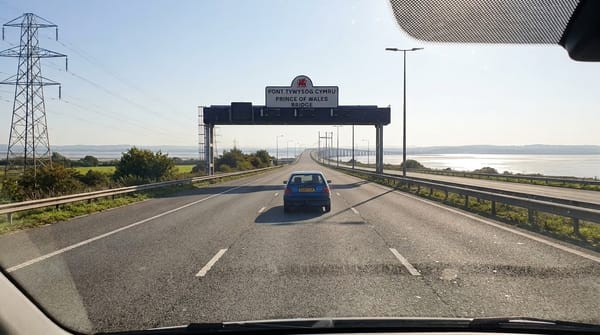
The Middle Lane Hogger Trap: Can You Legally Pass on the Left?
A crossover doing 57 in the middle lane with nothing in front of it. Can you slide past on the left? What the Highway Code says, the two exceptions, and why it's riskier in a van.
A crossover doing 57 in the middle lane with nothing in front of it. Can you slide past on the left? What the Highway Code says, the two exceptions, and why it's riskier in a van.
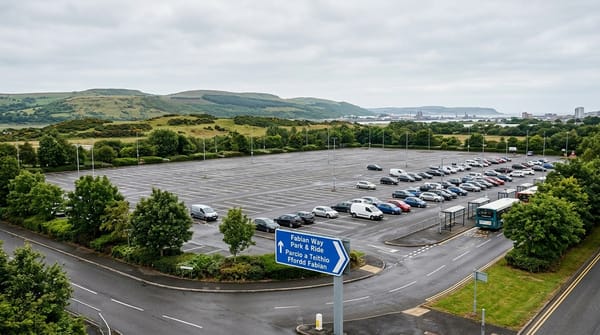
Swansea has approved a 10-pitch motorhome stopover at Fabian Way Park and Ride. It has a service point but no hook-up or showers, and no published price. Here's what it offers, how it compares, and what it should cost.
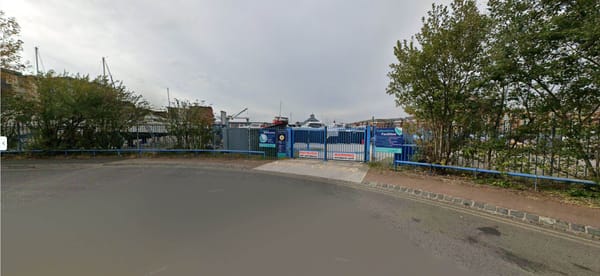
Gated, CCTV-watched, a few minutes from the beach and £30 to £35 a night. Here's what Swansea Marina Tourer Park costs, how the phone-only booking actually works, what the T&Cs say, and whether it earns a place on a van life route.
Fifteen miles of Dorset seafront, patrolled around the clock, with £1,000 at the end of it. What the ban actually covers, why it's prosecution rather than a parking ticket, and how this affects van life
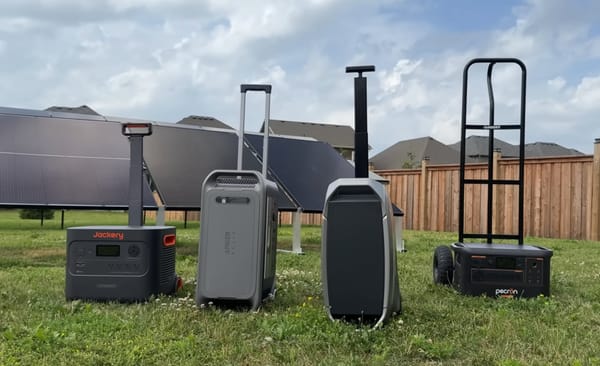
Anker, EcoFlow, Jackery and Pecron all sell a 3,072Wh power station. One costs $850, another over $2,000, and the battery inside is the same. We break down what the extra money genuinely buys you — and the bits it absolutely doesn't.
Jackery Explorer 1500 Ultra review: 1,536Wh, IP65, a record 98% efficiency, and one charging claim that doesn't survive the arithmetic.

A new vanlife festival just off the M5, capped at 400 tickets, with a quiet camping zone for people who don't want to be up till 3am. Here's what's actually happening at Leave No Trace, and why the cap matters more than the lineup.
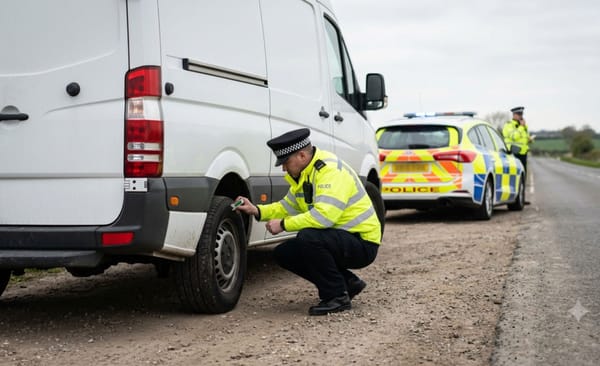
Leaving your tyres until your MOT could cost you significantly more than simply getting them changed sooner. Relying on an annual test centre inspection to tell you when your rubber is unsafe is a massive legal and financial gamble, especially it comes to your Vanlife home on wheels. The statutory
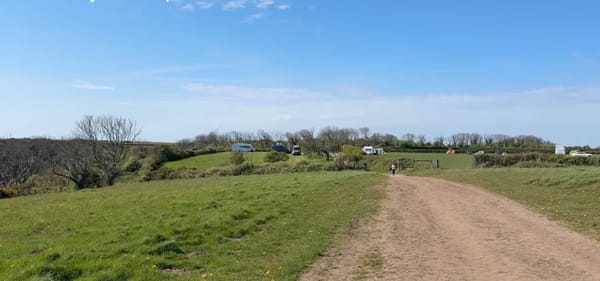
The term "hidden gem" gets thrown around far too easily on TikTok and Instagram these days. You know the drill: a drone shot of a perfectly flat, manicured pitch, full electric hook-ups, and a quaint on-site shop flogging artisanal eggs at prices that'd make
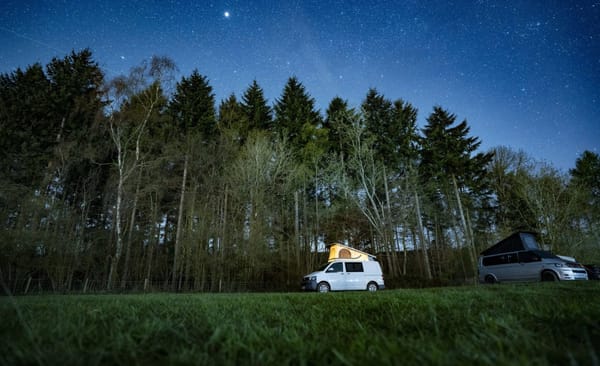
Forestry England has officially announced a brand-new, 60-day trial running from 16 July to 14 September 2026. They are opening up selected forest car parks across the country to self-contained campervans and motorhomes for overnight stays. High Lodge at Thetford Forest is one of the primary locations
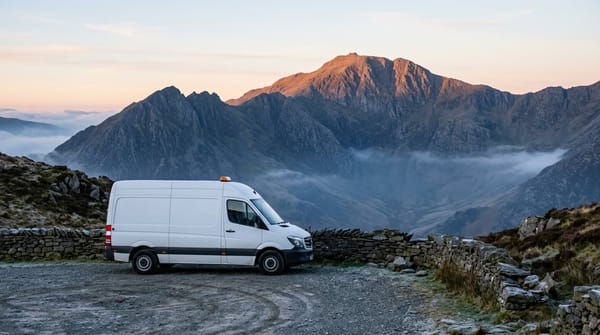
Eryri National Park in North Wales has dropped its overnight parking ban at nine of 11 car parks after a backlash. What the U-turn means for van life.
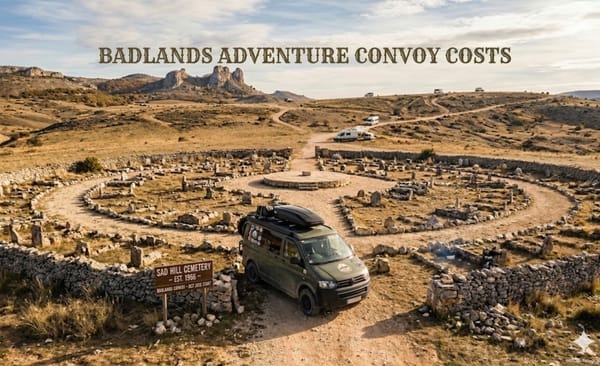
A UK-to-Spain campervan convoy through some of the most cinematic landscapes on earth? Here's everything you need to know about the Badlands Adventure Convoy — and why it might just be the trip of 2026. I don't know about you, but there are some trips
van build
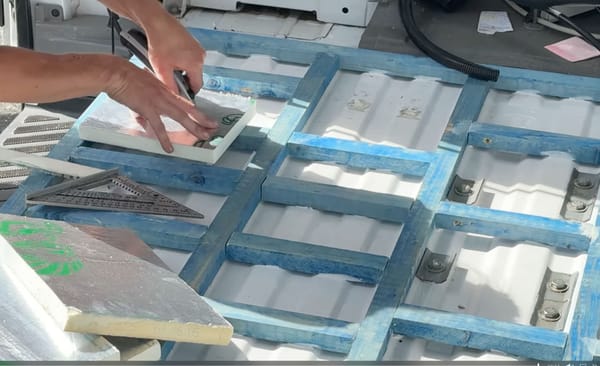
The visit to the electrician did not go well. In fact it went worse than I thought it could, which is saying something, because I'd set the bar somewhere around "mild disaster" before I even got there. So I hadn't recorded anything for about
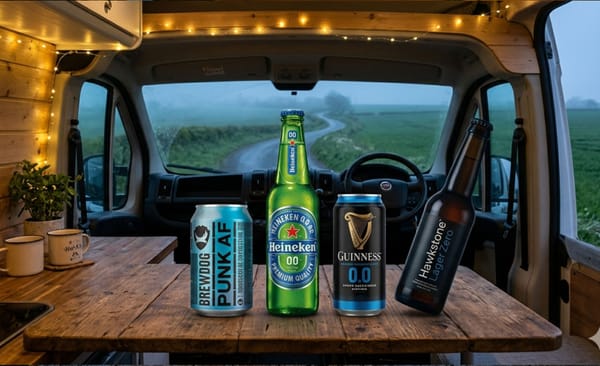
There’s something about cracking open a beer when you've parked up in an easy spot taking in your surroundings and you might even hear a distant sheep farting on the breeze. But let's be honest, van life is not easy. It is a constant struggle
van life
Is it legal to sleep in your van in the UK? What the law actually says about tiredness, being 'in charge' while over the limit, and where you can safely park up.
YouTube
I can't take all the credit to hitting the 500 mile stone. It's taken 4 years, 219 videos to finally hit the magic 500 subscribers and half of those, if im going to be cynical are going to be bots, but thank you to each and
festivals
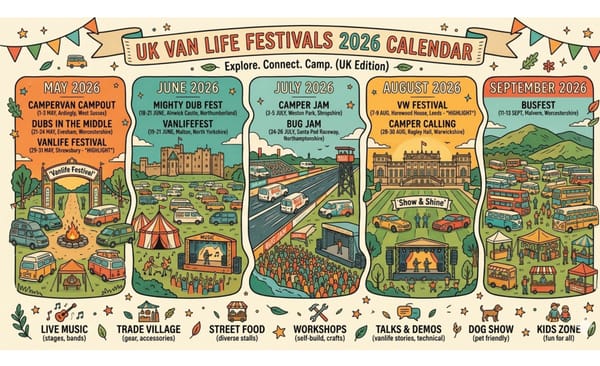
Dust off the camping chairs and get those self-builds out of the driveway—the UK van life festival season for 2026 is shaping up to be a massive one. Whether your rig is fully finished or you're still staring at exposed plywood and half-done insulation, these
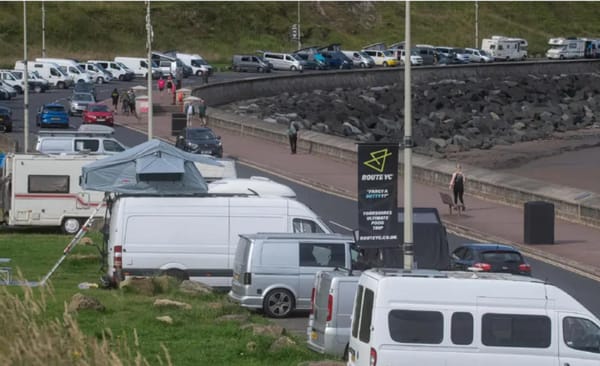
Picture the scene. Late November 2024. You've pulled into Royal Albert Drive just before dark. Sea on one side, cliffs on the other. Parked properly. No chairs out. No awning. Kettle on. You're planning to sleep, wake up early, and be gone before most dog walkers
Uncategorized
With the release of the Bluetti Charger 2 coming onto the market, it's invariably going to mean the Charger 1 is going to be on the second-hand market a lot more. But just because it's not the biggest and shiniest model, does that mean you
Uncategorized
I'll be straight with you - when I first heard about this, I thought someone was having me on. Charging your EcoFlow Delta Pro or Allpowers portable battery from the same charging points used by Teslas and Leafs? Sounds mental. But it's not only possible, it'
hcalory
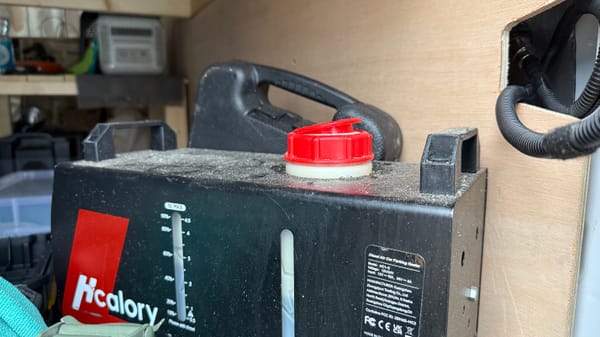
A hands on review of the Hcalory Diesel heater after my first Vanlife winter. Fuel economy isn't the best and dodgy build quality. Was it worth £120
Uncategorized
You know the drill: the alarm blares at silly-o’clock, coffee’s brewing, and you’re itching to point the van’s nose towards Cornwall. Then—click-click-click—your leisure battery mutters nah, pal. We’ve all been there, spanner in hand, wishing we’d spent ten minutes
van build
The build didn't start the way I planned. I had a heart attack. Short and plain works better here than a teaser line — this isn't a post that needs a hook to earn a click, the title's already doing that job.
Uncategorized
TL;DR (read this if you skim everything) Instagram has a new “Maps” feature that can pin your posts to an exact road. Quiet rollout. Big risk. Van lifers, solo travellers, and families: this can expose your home, workshop, or park-up in real time. Do this now: 1) Set